


Before we get to the heart of Hart…
(Welcome to another issue of Moral Understanding, where we welcome two folks: 1) the amazing writer, Luke Dennis, who will be a regular author, and 2) the thoughtful science communicator Joseph Fridman, who will be helping with ideas and editing.
We also celebrate receiving a generous grant (woot!) to help scale up the substack and reach more interested people. This means we are currently turning off all paid subscriptions. Our deepest thanks to everyone who has supported us!)
Everyone is talking about AI and the extinction of the human race. And although we will be starting a 3-part series on AI stuff, there’s a pressing question we’ve been mulling: is Kevin Hart evil?
We’re not talking about his conduct in his personal life; it’s widely known that Hart cheated on his wife (here’s a J. Cole song about it, featuring Hart in the music video). We’re also not talking about his comedy routines or his ruthless (and often hilarious) roasts of celebrities like Tom Brady.
Instead, the debate we’ve been having is whether Hart is a bad person for advertising sports betting. Especially considering Hart speaks to—and often on behalf of—Black Americans, who (he has argued) are often marginalized when it comes to financial literacy.
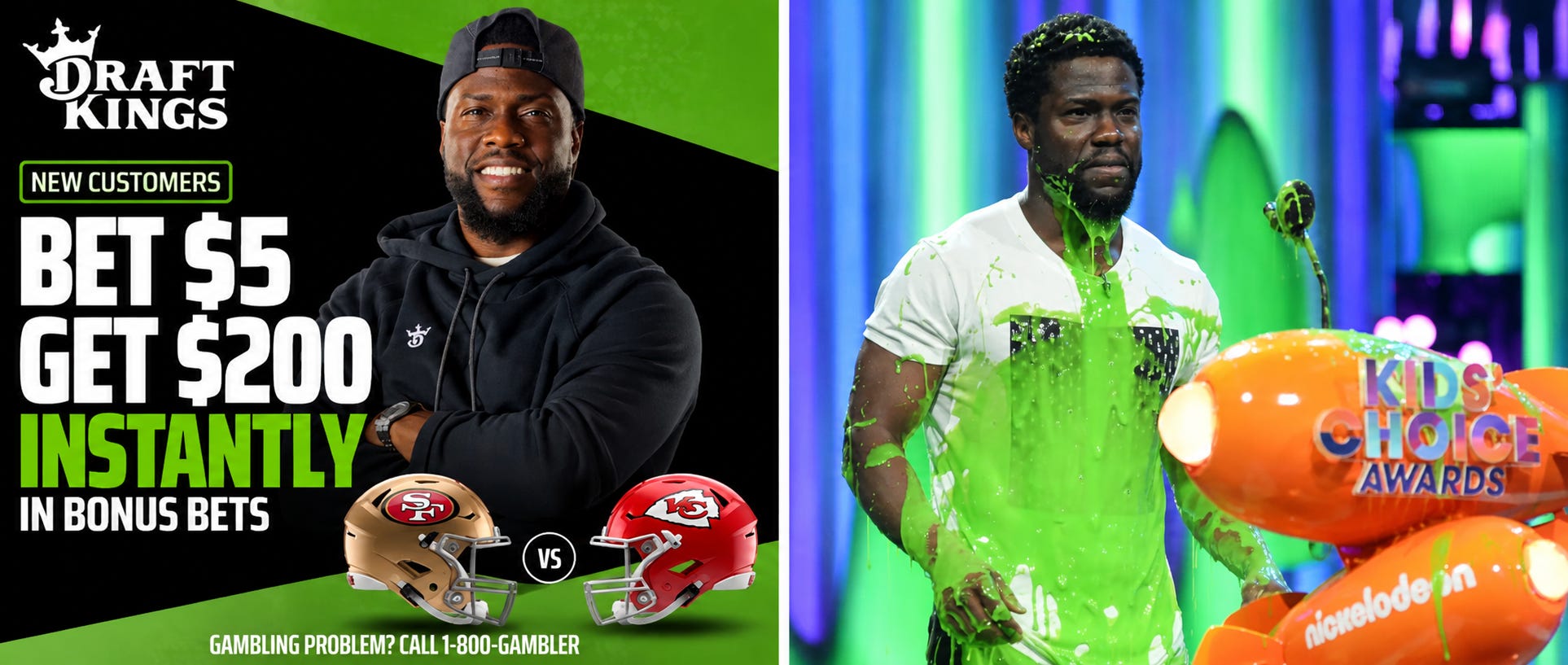
You see the ads all the time. There’s Hart, the modern-day pied piper, and what he’s selling is DraftKings—an exploitative online casino and sports betting company. Maybe (maybe!) some prediction markets help us understand the world better. But not these guys: this is a company that exists to profit when you lose money, and takes particular advantage of the high rates of betting among Black and Hispanic people. Hart is the company’s main celebrity spokesperson, and if you turn on any major American sports game, podcast, or talk show, you’re bound to eventually see Hart’s ads.
But, the debate goes: does shilling for DraftKings make Hart a bad person? Are we justified in judging him for selling out his fanbase?
These questions are not just about Hart—he’s just an obvious modern example of a bigger worry about whether celebrities should get rich however they want. See below for the big list of sports-betting sellers1, and it’s an easy google search to see everyone who shilled for FTX.
But we’re focusing on Hart for a reason—as we argue, he’s the most obvious example of a celebrity sell-out—and considering whether shilling for DraftKings makes Hart evil helps us make sense of both our minds and the outsized power of celebrity influencers in the world today.
To be clear, this post isn’t a prudish rant about gambling. One of us (Kurt) loves playing casino roulette and often loses money at kitchen-table poker. Kurt also reliably buys scratch tickets (and gives them to his kids) while getting gas on road trips.
The big question we’re tackling here is whether Hart—and other celebrities—owe us anything, especially if the “us” are vulnerable communities.
It’s a free world—especially for hard workers
The American Dream runs deep in our psyche. Americans grow up with stories coming at us from every direction telling us that if someone wants it bad enough, they can grind and work their way to the top. Studies show we respect people who put in the effort, and when someone who grows up poor makes it to the top through the good ol’ Protestant work ethic, we value that person and their opinions.
Kevin Hart seems to exemplify the Dream: he was raised by a single Black mother, had a father persistently in the throes of drug addiction, and slept in the hallway of a one-bedroom apartment in Philadelphia. He studied comedy and entertainment and the business of show, relentlessly, and is now a multimillionaire.
He got a difficult lot early in life and now he’s being rewarded for his obvious hard work. So what if he’s in a few gambling ads?
The halo effect
The reason celebrities might owe us something beyond entertainment is a psychological phenomenon known as the halo effect. The halo effect is the tendency to think that because a person is trusted in one area, their credentials should apply to an unrelated topic. This is how Bob Dylan was able to sell lingerie and Ozzy Osbourne could sell margarine. (You can stop imagining both of those products now.)
It’s a complicated world, and humans aren’t great at determining what’s good and bad for us, so we take cues from familiar figures, like celebrities, by trusting their image. Celebrities benefit from this all the time: it’s how actors whose skill is in performance (and not actuarial studies or mortgage underwriting) can get paid millions for a few minutes of selling us insurance. We trust cultural icons whose art and entertainment we enjoy.
And because of our psychology, it comes to matter a whole lot whether the celebrities of our day endorse harmful products.
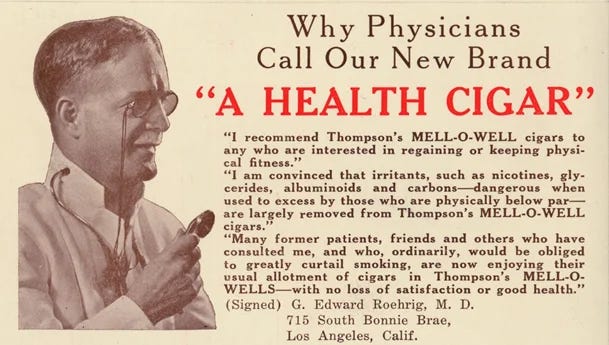
So, when we see Kevin Hart’s smiling face encouraging us to gamble on football any given weekend, our minds mix our pre-existing beliefs about gambling with our impression of Hart. We might think spending a hundred bucks betting on a game isn’t that smart, but we don’t reason about the two separately, so after seeing enough ads we might think gambling just isn’t as bad as we previously thought. When movie stars (or even doctors) of old endorsed a specific brand of cigarettes, people thought those cigarettes were healthier. And today, when we see a trusted face do something that we were previously uncertain about, it lowers our own inhibitions. It makes us wonder: is this thing we thought was a vice really that bad?
Gambling can be bad, and DraftKings definitely is
Gambling hijacks our brains. It trains us to live for the highs and die by the lows—and in gambling, the lows always hit. One in five people who struggle with “problem gambling” (the term used for gambling disorders) attempts suicide. Gambling advertising and gambling addiction both fall disproportionately on Black communities and young men. The overwhelming majority of folks taking advantage of a new promo to download a gambling app are decidedly not going to be better off for having done so. This is the ugly reality that DraftKings attempts to hide with Hart’s silly ads.
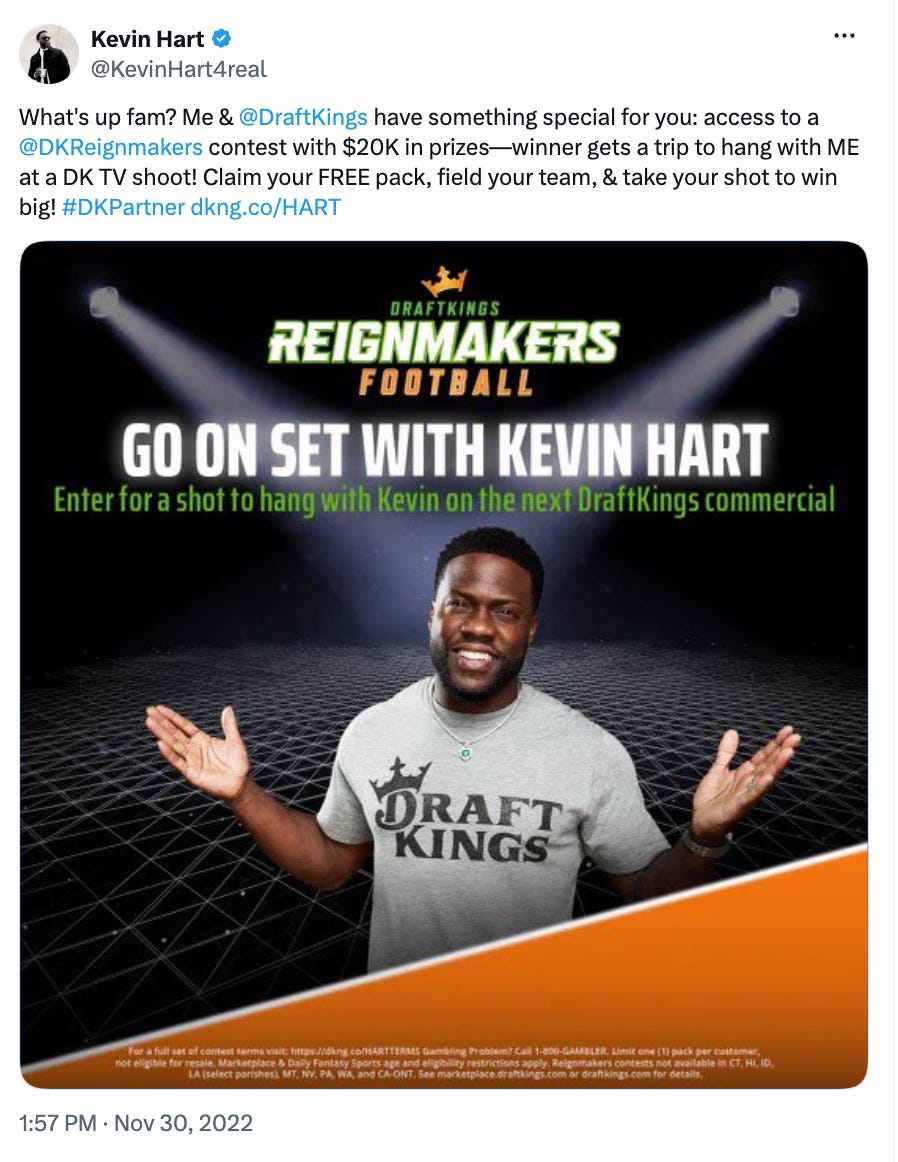
The typical DraftKings advertisement features Kevin Hart in a vaguely luxurious or football-themed setting, accompanied by a rotating cast of celebrity characters, such as LeBron James, or recently, a cowboy-hat-wearing Nick Jonas. Often, there will be someone celebrating, the sound of a slot machine, and a sense of excitement and potential. And, always, the concluding voiceover, making an offer like last season’s: “New customers bet 5 bucks and get $200 if your bet wins, paid in bonus bets!” (The “bonus bet” feature deposits credit into the account of a new user, which they can only spend on additional bets or gambling.) These advertisements portray sports betting and gambling as a way to have fun with friends and make money. But in reality, less than 5% of online sports gamblers are net winners in the long run. Yes, one person may win the “Best Ball tournament” or an afternoon with Kevin Hart (an actual prize DraftKings has run), but everyone else will walk away with a hole in their pocket, or worse.
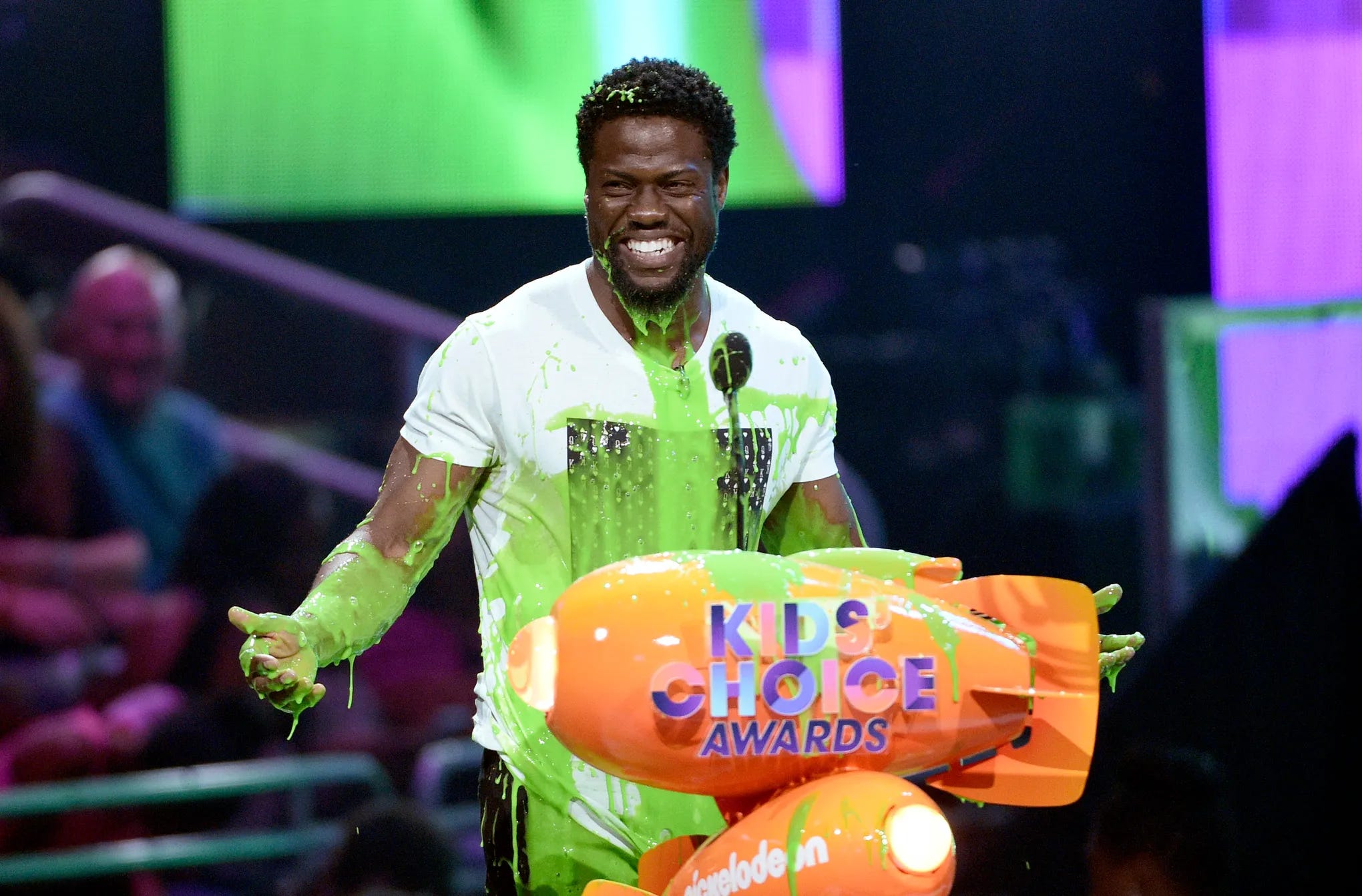
The partnership between DraftKings and Kevin Hart becomes more nefarious when you consider Hart’s influence has a generational divide. When you and your children see Hart on a DraftKings ad, two different personas are being sold to. You might know Hart from his R-rated movies or Netflix specials, but there’s a whole generation that knows him from family comedies and the Nickelodeon Kids’ Choice Awards. So if you think that Hart doesn’t owe anyone anything because adults are adults and they can gamble at their own risk, what about the children and young adults whose favorite movie star is urging them to go inside a digital casino? In a British Columbia survey, 34% of youth (12- to 18-year-olds) had gambled or gamed for money in the past year. The younger generations are being exposed to gambling earlier and earlier, with 36% of boys ages 11–17 having gambled in the last year—and studies show the earlier children are exposed to gambling, the more likely they are to develop a gambling disorder.
We’re not saying that hardworking parents who buy a weekly lottery ticket are smuggling degeneracy into their family. Hell, one of us (Joseph) grew up looking forward to getting bagels with his dad and borrowing a quarter to play the New York lotto. And Kurt doesn’t think that the occasional gas station scratch ticket will get his kids hooked on gambling. At the very least, neither of us thinks that flirting with gambling will cause harm. Can Hart say the same thing?
Guilty mind = guilty H(e)art?
In criminal law, there’s an important idea called mens rea, or the “guilty mind.” Modern legal systems have a way to understand how intentional or absentminded somebody was when they caused harm. We know to adjust the severity of the punishment for somebody who wanted to do something bad, or just knew they were doing something bad and did it anyway without caring, or just should’ve known better.
Maybe we ought to apply this to our judgment of celebrities, lots of whom have gotten involved with harmful activities. Haliey Welch, known online as the “Hawk Tuah girl,” seems to have lacked a guilty mind for her wrongdoing. She promoted a cryptocurrency that later crashed and led to an FBI investigation. By her own account, she knew little of what was going on behind the scenes. Welch was the face of the product but the financial deception was (allegedly) carried out by a devious third party who took advantage of Welch’s ignorance. Many people lost money when the coin collapsed, and Welch says she was ignorant of any plot.
She clearly should’ve known better, but she insists that she didn’t go into the situation with a clear understanding of how it would end. This doesn’t seem to be the case with Kevin Hart and his shilling for DraftKings. It seems obvious that Hart knows he’s hurting people and he’s doing it anyway.
The financial literacy guy
Since before his DraftKings days, Hart has toured low-income Black and Brown communities across the U.S. to open the dialogue on responsible spending and generating wealth. In 2019, he struck a partnership with JPMorgan Chase, where he met with young adults from these communities, telling them that knowledge is the path to financial freedom. He warned them about reckless spending, encouraged them to get educated on things like taxes, and spoke about the historical and ongoing disparities in financial education for Black communities. He purposely fashioned himself into a financial role model. And then he sold his outreach with these communities to the highest bidder—DraftKings.
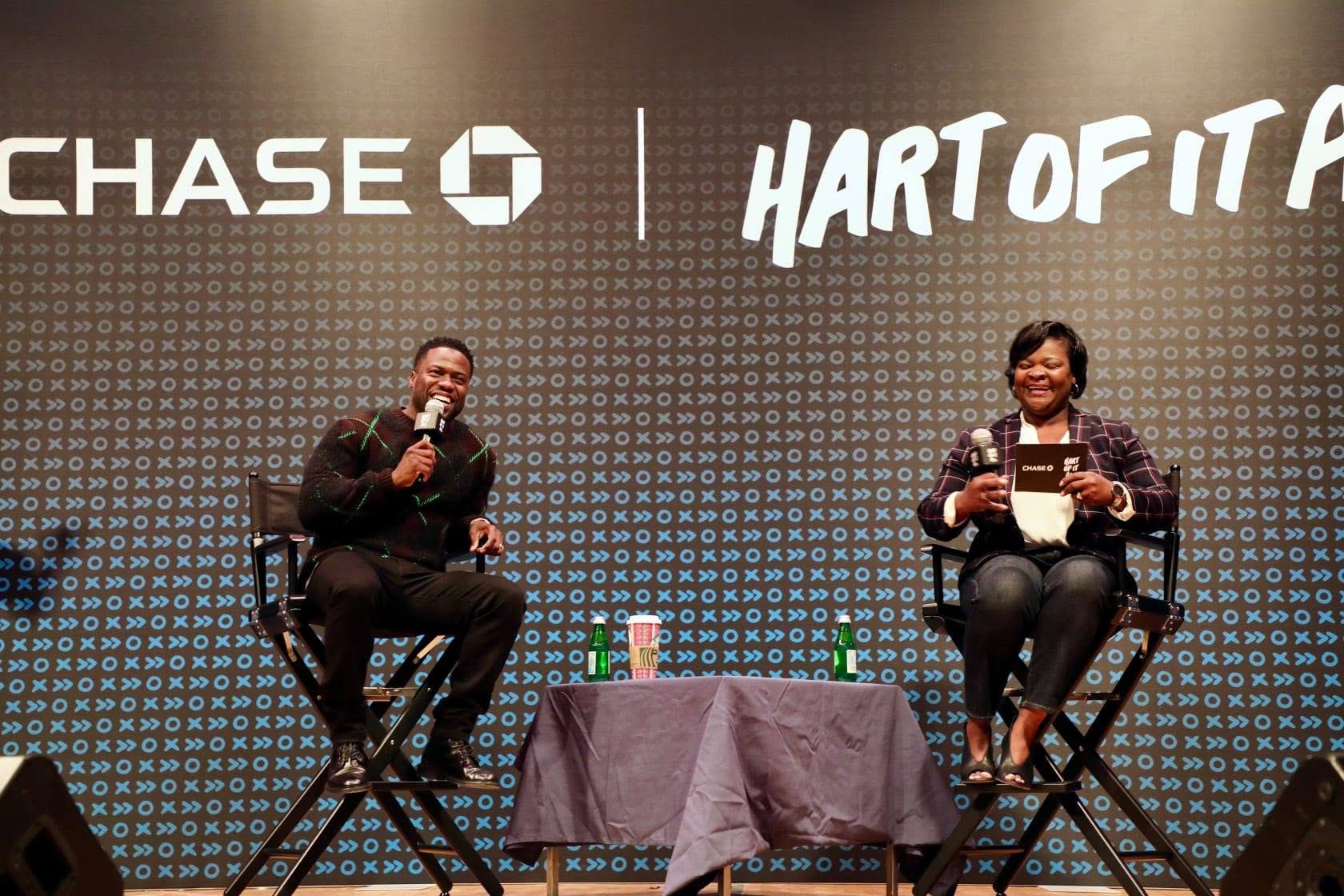
The problem with Kevin Hart being partnered with both JPMorgan Chase and DraftKings is more than just hypocrisy. It is that his hypocrisy rapidly worsens the gambling public health crisis. Hart is helping these companies blur the line between financial literacy and reckless betting. And the reality is that the Black community is on the receiving end of many of the worst effects. One study linked gambling to suicidal thoughts among Black youth, but not among White youth. This is extremely concerning when suicide attempts among Black teens rose 73% between 1991 and 2017 while falling in other groups. And when it comes to prevalence of gambling, 19% of Black American adults say they’ve placed an online sports bet in the last year, more than double the 8% of White American adults who have, according to Pew Research.
These findings can be brushed off by DraftKings when they have Kevin Hart as a face for the brand. Hart has repeatedly labeled himself as a voice for the Black community, saying that he “love[s] representing [his] race all over the world at the highest level.” This shows the dual nature of the halo effect mentioned earlier. In one sense, Hart has used his influence for good, bringing to light stories of empowerment and establishing connections with Black communities around the country and world. But the flip side is that the trust he has garnered can become a dangerous marketing tool, giving DraftKings credibility with an enormous audience.
Can you fix a broken Hart?
It seems clear that Kevin Hart knows gambling is bad, and yet he continues to sell it. But maybe you believe in karmic balance: that the good work Hart has done with financial literacy in the Black community cancels out the bad of these harmful advertisements. It doesn’t seem like this tracks, even for our most charitable figures. Imagine you found out Mother Teresa hosted dogfighting matches on her days off. Well, it wouldn’t undo her positive works, but it would certainly complicate the image you have of her. Doing lots of good things does not earn us a free pass to knowingly cause harm later on.
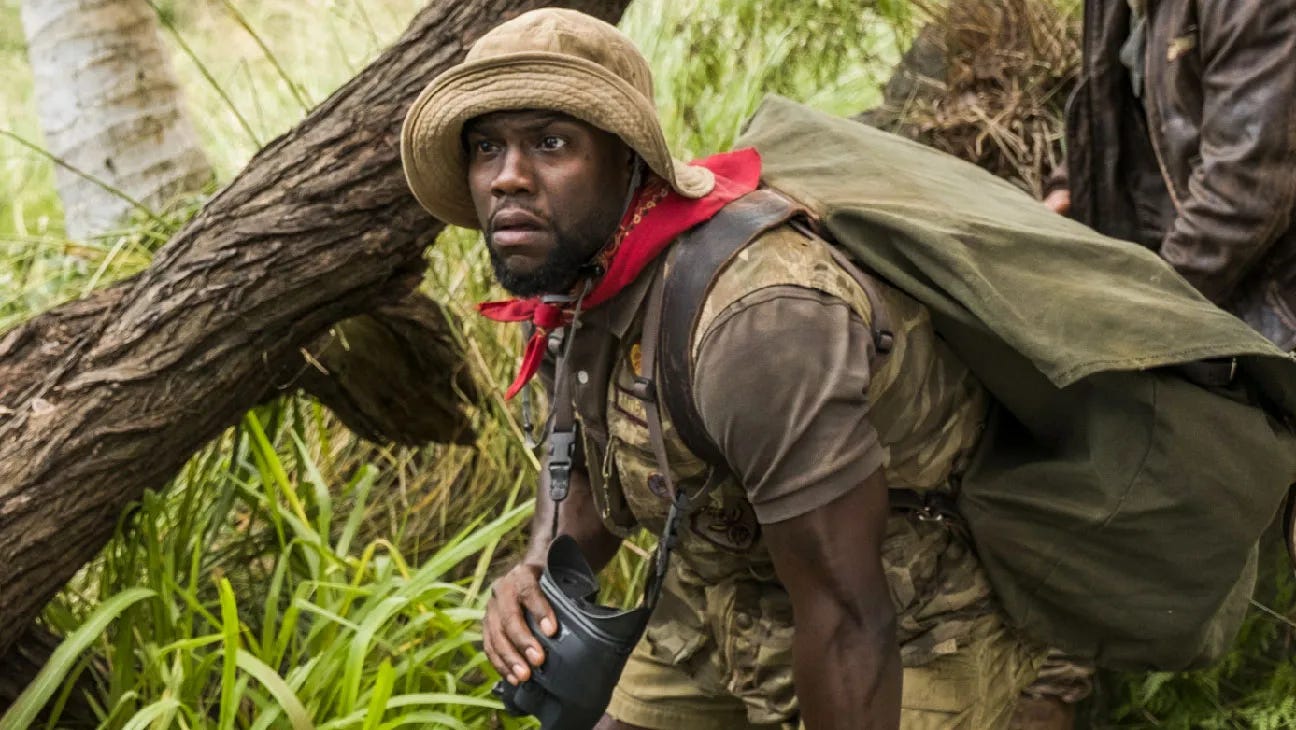
Hope is not lost. There’s a reason you don’t see your favorite celebrity trying to sell you a pack of Marlboros on TV. It is illegal. Barriers were put in place to restrain tobacco companies from snaring new generations into addiction. Perhaps there is a future where government regulation prevents DraftKings advertisements out of concern for public health. Or maybe Kevin Hart—and the many other celebrities who routinely profit from prediction markets and online casinos—can use their halo effect for good again, calling out these gambling companies for the harmful product they are selling.
Maybe celebrities will suddenly have a crisis of confidence, and all use the trust they have built to encourage entertainment without exploitation. And maybe Kurt will win thousands on his next scratch ticket. Both are unlikely bets, but at least, you’ll think deep ethical thoughts next time you see a celebrities selling we hope you think about some deep ethical questions next time you see celebrities endorsing the joys of sports betting.
(Also, if you’re hungry for more moral understanding, subscriber Julie Rose, an award-winning journalist, has a new podcast with Monica Guzman called Dispatches from the Divide. It’s co-sponsored by Braver Angels and Disagree Better)
1Many celebrities are doing ads for sports betting sites: Shaquille O’Neal, Jerry Rice, Bryson DeChambeau, Tom Brady, Wayne Gretzky, Jamie Foxx, Jon Hamm, Barry Sanders, Derek Jeter, Marshawn Lynch, Kevin Garnett, Charles Barkley, Rob Gronkowski, Ariana Madix, Eli Manning, Peyton Manning, Kendall Jenner, and Aaron Paul.
Online gambling doesn’t have the allusion of good casinos do with generating profits for the community it’s in, unless there’s an online pool of losses not in control from the parent company. What is benefitting from online gambling? Just another example of something trampling the average person for the benefit of the select few. “The crown is yours!”